Fragmentation of semi-deciduous forest in the Caña Brava sector of Santa Ana canton
DOI:
https://doi.org/10.18779/cyt.v18i1.851Keywords:
agriculture, ecosystem, habitat, segmentedAbstract
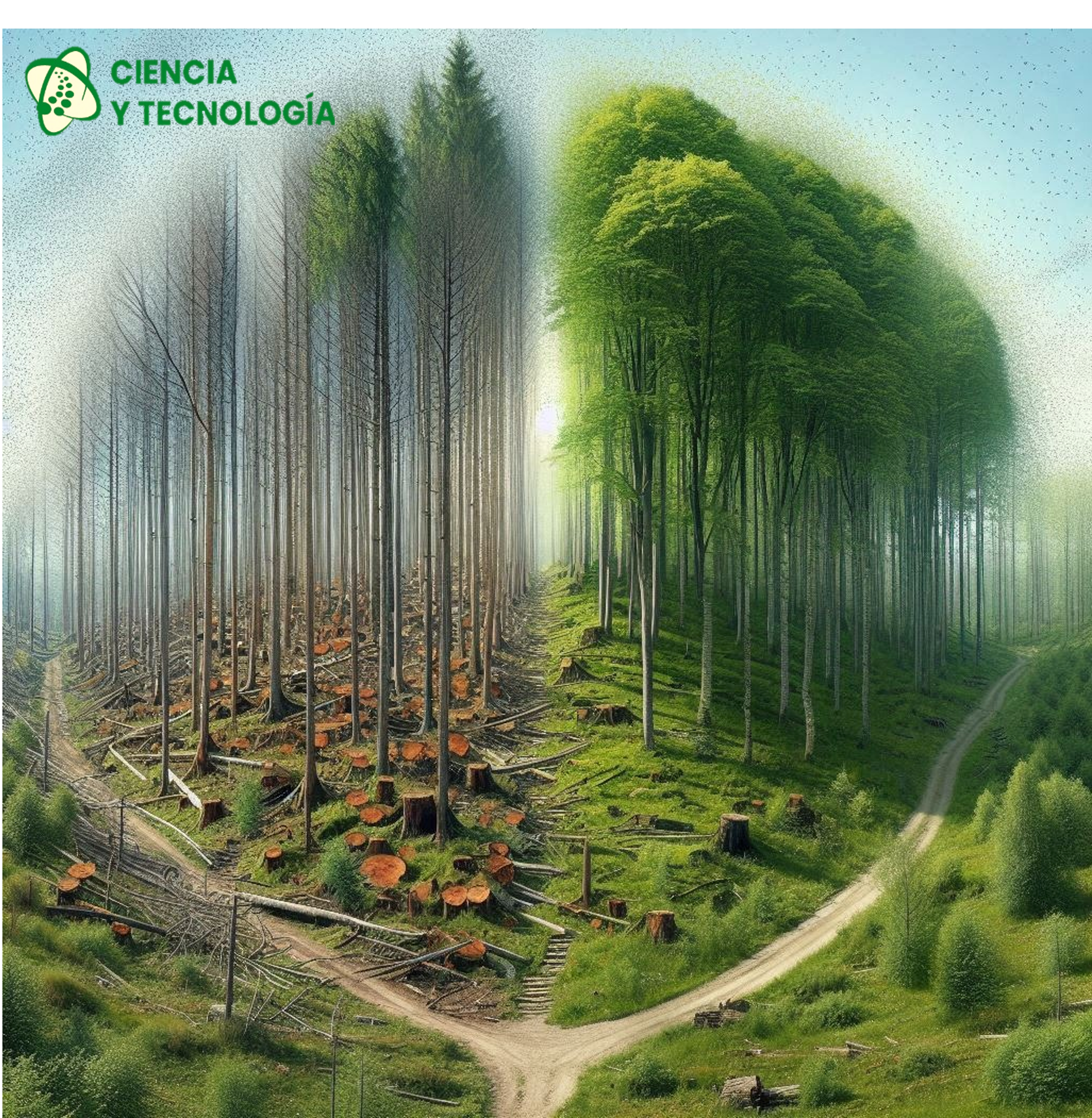
In recent years, important changes in natural ecosystems have been reported worldwide due to different human activities. One of the main results of these activities is the loss and fragmentation of habitats caused by changes in land use. In this context, the present research was conducted in the Caña Brava community belonging to the Santa Ana canton; it was proposed to analyze forest fragmentation during the period 2015-2021 applying a mixed approach; among the most important results we have that, for the year 2015 the forest had an extension of 267,21 ha distributed in 6 patches, while for the year 2021 the vegetation cover decreased to 163,46 ha, increasing the patches to 9; the area without vegetation cover between this period increased 28,21 ha, Likewise, the agricultural frontier was expanded by 75,74 ha, reducing the vegetation cover to 103,75 ha, so the degree of forest fragmentation for the year 2021 was 0,4, classifying it as Insularized. It is concluded that agriculture is the main cause of forest fragmentation, and if protection measures are not contemplated, the level of fragmentation will continue to increase, affecting ecosystem services in the area for present and future generations, even altering compliance with SDG 15 "Life and terrestrial ecosystems" and SDG 11 "Sustainable communities and cities".
Downloads
References
Arasa-Gisbert, R., Arroyo-Rodriguez., V. y Andresen, E. (2021). El debate sobre los efectos de la fragmentación de hábitat: causas y consecuencias. Ecosistemas, 30(3). https://doi.org/10.7818/ECOS.2156
Arroyo-Rodriguez, V. y Mandujano, S. (2007). Efectos de la fragmentación sobre la composición y la estructura de un bosque tropical lluvioso mexicano. En Harvey, C.A., y Sáenz J. C., Evaluación y conservación de la biodiversidad en paisajes fragmentados de Mesoamérica. (pp. 179-196). Editorial: INBio. https://bit.ly/3XFYc1U
Capote, R. y Berazaín, R. (1984). Clasificación de las Formaciones Vegetales de Cuba. Revista Del Jardín Botánico Nacional, 5(2), 27-75. https://www.jstor.org/stable/42596743
Chinchero, M., Santiana, J., Iglesias, J. y Neill, D. (2013). Ministerio del Ambiente del Ecuador 2012. Sistema de Clasificación de Ecosistemas del Ecuador Continental. Subsecretaria de Patrimonio Natural, Quito. https://bit.ly/4gAjJ4W
Ministerio del Ambiente del Ecuador (2012). Sistema de Clasificación de Ecosistemas del Ecuador Continental. Subsecretaría de Patrimonio Natural. https://bit.ly/4gAjJ4W
Gómez, B., Arregui, V., Bazurto, J. y Rodríguez, A. (2022). Agricultura sostenible, oportunidad para el desarrollo local. Caso de estudio: Ayacucho-Ecuador. Polo del conocimiento, 7(6), 1642-1663 https://dialnet.unirioja.es/servlet/articulo?codigo=9042504
Guzman, M. y Moreno, L. (2022). Análisis de la conectividad regional por cobertura vegetal entre el cerro la conejera, quebrada la salitrosa, el humedal la conejera y la reserva Thomas Van Der Hammen. [Tesis de grado, Universidad Santo Tomás]. https://bit.ly/3MYdJ8w
Hernandez-Perez, E., García-Franco, J., Vásquez, G. y Cantellano de Rosas, E. (2022). Cambio de uso de suelo y fragmentación del paisaje en el centro de Veracruz, México (1989 - 2015). Madera y bosques, 28(1). https://doi.org/10.21829/myb.2022.2812294
Hernández-Sampieri, R. y Mendoza, C. (2018). Metodología de la investigación. Las rutas cuantitativa, cualitativa y mixta. Editorial Mc Graw Hill Education. https://goo.su/r2eSs
Josse, C. G., Navarro, P., Comer, R., Evans, D., Faber-Langendoen, M., Fellows, G. Kittel, S., Menard, M., Pyne, M., Reid, K., Schulz, K., Snow, J. y Teague, J. (2003). Ecological systems of latin america and the caribbean: A working classification of terrestrial systems. NatureServe. https://bit.ly/4doHJ85
Lorenz, G., Figueroa, M., Giannuzzo, A. y Ludueña, M. (2017). El paisaje entre ciencia, educación y planificación: el legado que dejamos. https://bit.ly/4euYu2o
Lozano Botache, L., Gómez Aguilar, F. y Valderrama Chaves, S. (2011). Estado de fragmentación de los bosques naturales en el norte del departamento del Tolima-Colombia. Tumbaga, 1(6), 125-140. https://bit.ly/3MWwcCh
Navarro, M., Gonzáles, L., Flores, R. y Amparán, R. (2015). Fragmentación y sus Implicaciones: Análisis y reflexión documental. Universidad de Guadalajara. https://bit.ly/3MWQhZf
Otavo, S. y Echeverría, C. (2017). Fragmentación progresiva y pérdida de hábitat de bosques naturales en uno de los hotspot mundiales de biodiversidad. Revista mexicana de biodiversidad, 88(4), 924-935. https://bit.ly/3MW1WaI
Plan de Desarrollo y Ordenamiento Territorial Santa Ana. (2019). Plan de Desarrollo y Ordenamiento Territorial del Cantón Santa Ana 2015-2019. https://goo.su/t3plEZU
Plan de Desarrollo y Ordenamiento Territorial Manabí. (2021). Actualización del Plan de Desarrollo y Ordenamiento Territorial Manabí 2030. Portoviejo. https://bit.ly/3XVUTFe
Pincay, S. (2021). Determinación del grado de fragmentación del bosque seco tropical del Recinto Santa Rosa del Cantón Jipijapa, Manabí, Ecuador. [Tesis de grado, Universidad Estatal del Sur de Manabí]. https://bit.ly/4gHgk48
Sahagún-Sánchez, F. y Reyes-Hernández, H. (2018). Impactos por cambio de uso de suelo en las áreas naturales protegidas de la región central de la Sierra Madre Oriental, México. CienciaUAT, 12(2), 6-21. https://goo.su/zqae7zU
Sánchez, M. (2015). Ecuador: Revisión a las principales características del recurso forestal y de la deforestación. Revista Científica y Tecnológica UPSE, 3(1), 41-54. https://doi.org/10.26423/rctu.v3i1.70
Sanmartín-Sierra, R., Angarita-Hernandez, D. y Mercado-Gomez, J. (2016). Estructura y composición florística del bosque seco tropical de Sanguaré-Sucre (Colombia). Ciencia y Desarrollo, 7(2), 43-56. https://bit.ly/4dnffvw
Yela-Lara, S. y Baca-Gamboa, A. (2023). Dinámicas de cambio de las coberturas del suelo y su impacto en el sector suroriental de Pasto, Colombia. Revista de la Academia Colombiana de Ciencias Exactas, Físicas y Naturales, 47(185). https://doi.org/10.18257/raccefyn.1995
Zambrano, E. (2020). Determinación del grado de fragmentación del bosque seco tropical de la subcuenca Quimis de la comuna Las Lagunas, Cantón Montecristi. [Tesis de grado, Universidad Estatal del Sur de Manabí, Montecristí]. https://acortar.link/gkPqq6
Hernández-Sampieri, R. y Mendoza, C. (2018). Metodología de la investigación. Las rutas cuantitativa, cualitativa y mixta. Editorial Mc Graw Hill Education. https://goo.su/r2eSs
Josse, C. G., Navarro, P., Comer, R., Evans, D., Faber-Langendoen, M., Fellows, G. Kittel, S., Menard, M., Pyne, M., Reid, K., Schulz, K., Snow, J. y Teague, J. (2003). Ecological systems of latin america and the caribbean: A working classification of terrestrial systems. NatureServe. https://bit.ly/4doHJ85
Lorenz, G., Figueroa, M., Giannuzzo, A. y Ludueña, M. (2017). El paisaje entre ciencia, educación y planificación: el legado que dejamos. https://bit.ly/4euYu2o
Lozano Botache, L., Gómez Aguilar, F. y Valderrama Chaves, S. (2011). Estado de fragmentación de los bosques naturales en el norte del departamento del Tolima-Colombia. Tumbaga, 1(6), 125-140. https://bit.ly/3MWwcCh
Navarro, M., Gonzáles, L., Flores, R. y Amparán, R. (2015). Fragmentación y sus Implicaciones: Análisis y reflexión documental. Universidad de Guadalajara. https://bit.ly/3MWQhZf
Otavo, S. y Echeverría, C. (2017). Fragmentación progresiva y pérdida de hábitat de bosques naturales en uno de los hotspot mundiales de biodiversidad. Revista mexicana de biodiversidad, 88(4), 924-935. https://bit.ly/3MW1WaI
Plan de Desarrollo y Ordenamiento Territorial Santa Ana. (2019). Plan de Desarrollo y Ordenamiento Territorial del Cantón Santa Ana 2015-2019. https://goo.su/t3plEZU
Plan de Desarrollo y Ordenamiento Territorial Manabí. (2021). Actualización del Plan de Desarrollo y Ordenamiento Territorial Manabí 2030. Portoviejo. https://bit.ly/3XVUTFe
Pincay, S. (2021). Determinación del grado de fragmentación del bosque seco tropical del Recinto Santa Rosa del Cantón Jipijapa, Manabí, Ecuador. [Tesis de grado, Universidad Estatal del Sur de Manabí]. https://bit.ly/4gHgk48
Sahagún-Sánchez, F. y Reyes-Hernández, H. (2018). Impactos por cambio de uso de suelo en las áreas naturales protegidas de la región central de la Sierra Madre Oriental, México. CienciaUAT, 12(2), 6-21. https://goo.su/zqae7zU
Sánchez, M. (2015). Ecuador: Revisión a las principales características del recurso forestal y de la deforestación. Revista Científica y Tecnológica UPSE, 3(1), 41-54. https://doi.org/10.26423/rctu.v3i1.70
Sanmartín-Sierra, R., Angarita-Hernandez, D. y Mercado-Gomez, J. (2016). Estructura y composición florística del bosque seco tropical de Sanguaré-Sucre (Colombia). Ciencia y Desarrollo, 7(2), 43-56. https://bit.ly/4dnffvw
Yela-Lara, S. y Baca-Gamboa, A. (2023). Dinámicas de cambio de las coberturas del suelo y su impacto en el sector suroriental de Pasto, Colombia. Revista de la Academia Colombiana de Ciencias Exactas, Físicas y Naturales, 47(185). https://doi.org/10.18257/raccefyn.1995
Zambrano, E. (2020). Determinación del grado de fragmentación del bosque seco tropical de la subcuenca Quimis de la comuna Las Lagunas, Cantón Montecristi. [Tesis de grado, Universidad Estatal del Sur de Manabí, Montecristí]. https://acortar.link/gkPqq6
Published
How to Cite
Issue
Section
License
Copyright (c) 2025 Gabriela Elizabeth Pilligua Macias, Andrea García Álava, Fernando Lucio Villacreses

This work is licensed under a Creative Commons Attribution-NonCommercial-ShareAlike 4.0 International License.
Licensing Agreement
This journal provides free access to its content through its website following the principle that making research available free of charge to the public supports a larger exchange of global knowledge.
Web content of the journal is distributed under a Attribution-NonCommercial-ShareAlike 4.0 International.
Authors may adopt other non-exclusive license agreements for the distribution of the version of the published work, provided that the initial publication in this journal is indicated. Authors are allowed and recommended to disseminate their work through the internet before and during the submission process, which can produce interesting exchanges and increase citations of the published work.